
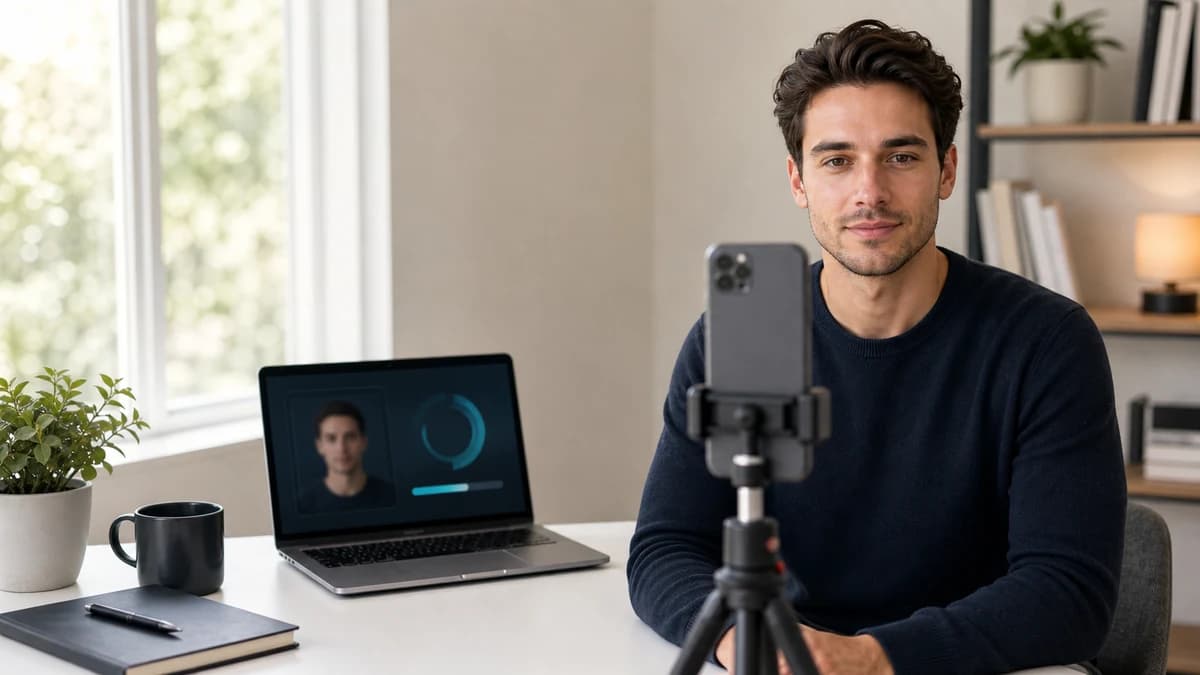
What these tools actually measure
When you ask how old do I look, an AI tool is not discovering your birthday. It is estimating your apparent age from the visible face in the image.
That means the result is shaped by how the photo was taken, not just by your actual age.
Why one photo can make you look older
Low sleep, harsh shadows, front-camera distortion, and expression lines can all make a face appear older in a still image. The AI reacts to those cues the same way people often do.
If a result surprises you, try another photo in softer light before drawing conclusions.
What helps you get a better estimate
Use a recent, clear photo with one face, even light, and minimal editing. Front-facing portraits work better than group photos or extreme angles.
A more useful test is to compare two or three photos rather than trusting a single upload.
How to use the result
The best use of an age detector is comparison. It can show you which photos make you look fresher or older and help you understand how lighting and camera choices affect your appearance.
It should not be used as a judgment about your health, worth, or exact age.
Try the age detectorUpload a clear portrait and see how your apparent age changes across photos.Quick answers
Can AI tell my real age from a selfie?
No. It estimates apparent age from visible cues in the photo.
Why does my result change with lighting?
Lighting changes shadows and texture, which changes the visible age cues the model uses.
What kind of photo works best?
A clear, recent, front-facing portrait with one face and even light works best.
Can filters affect how old I look?
Yes. Filters can hide or exaggerate the very cues the model relies on.
Should I use more than one photo?
Yes. Multiple photos give a more useful sense of your apparent age range.
Is this a medical or official age test?
No. It is a consumer-facing apparent age estimate from a photo.